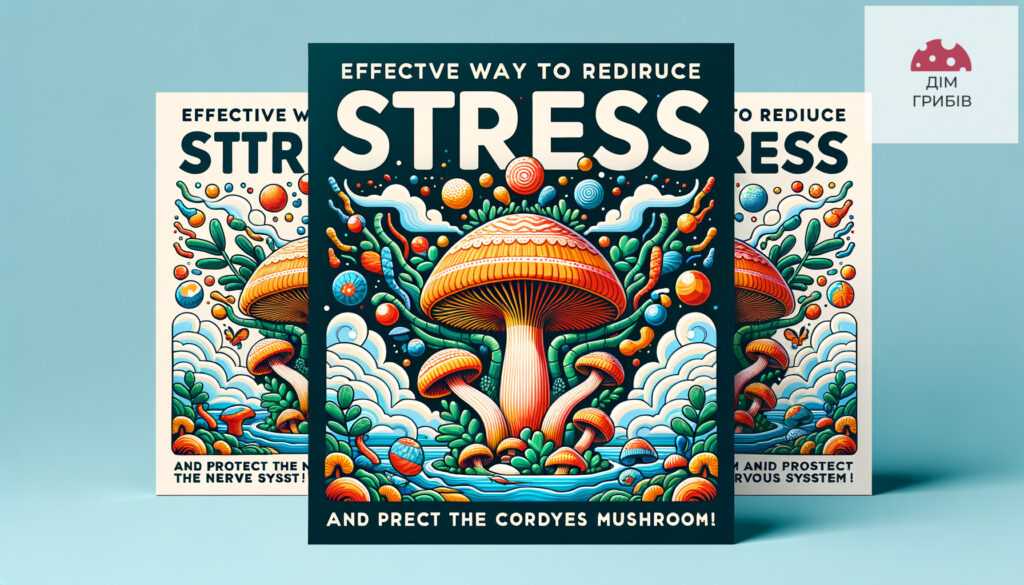
Cordyceps Mushroom Stress: How This Natural Remedy Supports Your Nervous System and Reduces Tension


Article Review: Protecting the Nervous System: How Cordyceps Mushroom Reduces Stress
Introduction
Cordyceps mushroom has become known for its adaptogenic properties, which are able to support the nervous system in the conditions of modern life, filled with stressful situations. The nervous system is an important element of our body, as it is responsible for processing information, coordinating movements and regulating emotions. Stress can negatively affect all of these aspects, causing anxiety, depression and other disorders, which significantly reduces the quality of life. This is where the cordyceps mushroom, which is traditionally used in Eastern medicine to treat various ailments, comes into play.
I. What is Cordyceps mushroom?
Origin and varieties
Cordyceps is a genus of fungi that grows naturally on the bodies of insects, mainly butterfly caterpillars. Cordyceps has a history of use dating back thousands of years. This fungus has gained popularity in traditional Chinese medicine for its ability to improve overall health and maintain energy. There are several types of cordyceps, but the most common is Cordyceps sinensis, which is considered elite and expensive.
Chemical composition and active ingredients
The cordyceps mushroom contains many bioactive compounds that give it beneficial properties.
Among the main components are beta-glucans, which support the immune system, and adenosine, which is responsible for reducing stress levels. Additionally, it contains antioxidants, amino acids, as well as vitamins and minerals. These components contribute to the protection of the nervous system and overall improvement of well-being.
| Component | Property |
| Beta-glucans | Immune system support |
| Adenosine | Reducing stress levels |
| Antioxidants | Cell protection from oxidative stress |
| Vitamins and minerals | Support the overall health of the body |
II. The effect of stress on the nervous system
Stress response mechanisms
Stressful situations activate the production of cortisol, a stress hormone, which, in large quantities, can negatively affect nerve cells. This leads to a decrease in cognitive functions, such as memory and attention. Chronic stress can even eventually lead to serious mental disorders, causing great damage to the nervous system.
Symptoms and manifestations of stress
People exposed to chronic stress may experience a variety of psycho-emotional symptoms, such as:
– Anxiety and depression
; – Sleep disturbances;
– Fatigue and decreased energy;
Stress can also manifest itself in physical symptoms, such as headaches, digestive problems, or high blood pressure. According to research, about 70% of doctors' visits complain of symptoms caused by stress.
III. How Cordyceps Mushroom Reduces Stress
Scientific research and results
Recent studies have shown that cordyceps can effectively reduce stress levels due to its adaptogenic properties. In particular, studies of the effects of cordyceps on cortisol levels have shown that its regular use can lead to a decrease in this hormone, which directly improves the overall well-being of people suffering from stress. For example, in a study conducted in 2021, participants who consumed cordyceps showed a 15% decrease in cortisol levels.
Method of application and recommendations
Cordyceps can be taken as a dietary supplement, which is a convenient way to integrate it into your daily diet. It is important to remember that it is advisable to consult a doctor before starting to take cordyceps supplements, especially if you have a chronic condition or are taking other medications. Recommended doses can vary, but are usually between 1 and 3 grams per day. The schedule of taking the supplement can also vary - both in the morning and in the evening, which allows you to adapt the intake to individual needs.
IV. Other benefits of cordyceps for the nervous system
Antioxidant properties
In addition to reducing stress, cordyceps mushroom has powerful antioxidant properties that help reduce oxidative stress in the body. This provides protection to nerve cells from damage that can occur due to stressful situations. According to scientific studies, the active components of cordyceps can cleanse the body of free radicals, which contributes to overall health.
Improving cognitive functions
Cordyceps also has a positive effect on cognitive function. Studies show that the mushroom can improve memory, concentration, and overall mental performance. This is especially beneficial for people who experience intellectual stress in everyday life. In particular, in one experiment, participants who consumed cordyceps showed a 20% improvement in memory tests.
V. How to integrate cordyceps mushroom into daily life
Recipes using cordyceps
You can include cordyceps mushroom in your menu using a variety of recipes.
For example:
– Making a tea drink from cordyceps;
– Adding cordyceps powder to smoothies;
– Creating light dishes (soups, salads) with the addition of this mushroom. There is also the possibility of buying ready-made supplements with cordyceps, such as Cordyceps military ground, which can be easily used daily to reduce stress.
Strategic tips for reducing stress
In addition to using cordyceps, it is important to take a comprehensive approach to supporting the nervous system. The best ways may be:
1. Regular physical exercise;
2. Practice meditation or yoga;
3. Proper nutrition and sleep patterns. Recent studies confirm that implementing these strategies can significantly reduce stress levels, improving overall health and well-being.
Conclusions
Cordyceps mushroom is an effective natural remedy for reducing stress and supporting a healthy nervous system. Its adaptogenic, antioxidant, and neuroprotective properties make it a promising candidate for modern medicine. For those looking for ways to manage stress, cordyceps can be a valuable addition to their daily diet. If you are interested in cordyceps products, check out a large selection of mushrooms in the Mushroom House store, where you will find a variety of suggestions for reducing stress and supporting the nervous system.