Canada fly agarics: Discover the world of mushrooms with the House of Mushrooms store!


Introduction
Canada fly agarics is a topic that arouses considerable interest not only among mushroom pickers, but also among scientists, historians and cultural historians. Considered one of the most recognizable and mysterious mushrooms, fly agarics occupy a special place in the nature and culture of Canada. With their bright appearance and variety of species, fly agarics are mostly associated with the hidden dangers and myths that surround them.
It is important to note that, despite the fact that most fly agarics are poisonous, their place in the natural ecosystem and in traditional medicine cannot be underestimated. In this article, we will take a detailed look at the biological characteristics of fly agarics, their historical uses, dangers and benefits, as well as tips for collecting and using these mushrooms.
Biological features of fly agarics
Classification and types of fly agarics
Amanitas belong to the Amanitaceae family and are characterized by their bright colors and diverse shapes. There are several main species of amanitas found in Canada, which can be found in different regions. These include:
- Toadstool is red (Amanita muscaria) is one of the most famous mushrooms, distinguished by its red cap with white bumps.
- Panther toadstool (Amanita pantherina) is a poisonous mushroom with a brown or gray cap, also with snow-white tubercles.
- White fly agaric (Amanita bisporigera) - this species is often confused with edible mushrooms, but it is extremely poisonous.
- Yellow fly agaric (Amanita flavoconia) is a mushroom with a yellow cap and a characteristic shape.
Knowing the specifics of each of these species is vital for the safety of mushroom pickers, as confusion can lead to serious consequences.
The ecological role of fly agarics
Amanitas play an important role in the ecosystems where they grow. They are saprophytes, meaning they help break down organic matter, which helps enrich the soil. As the amanitas decompose, their spores release nutrients that support the life of plants and other fungi.
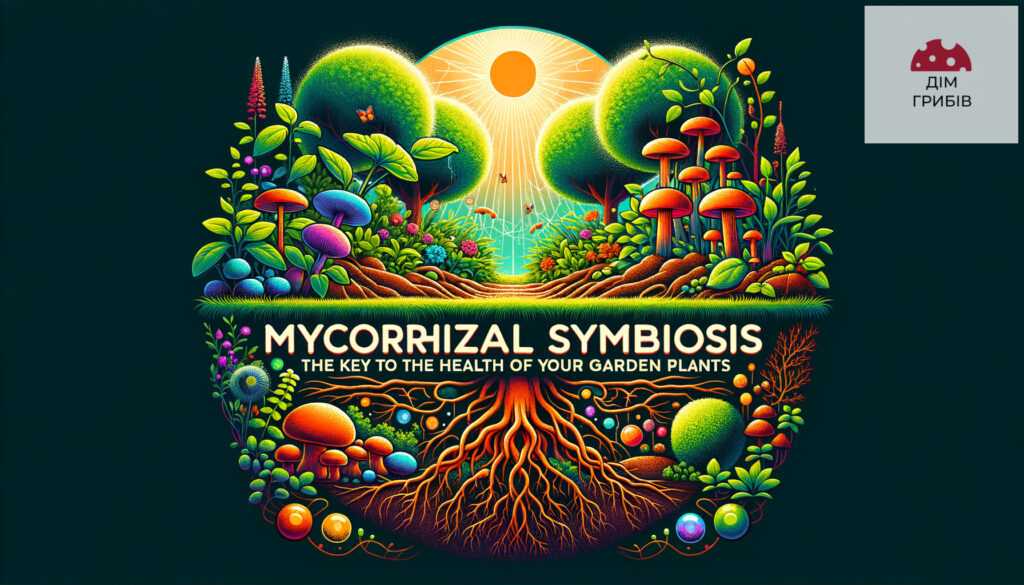
In addition, fly agarics interact with many other organisms in ecosystems, including trees. For example, in their symbiosis with tree roots, they help plants obtain water and minerals, while receiving carbohydrates in exchange. In this way, they ensure a healthy balance in the natural world.
Table: Types of fly agarics in Canada
| Species name | Scientific name | Toxicity | Characteristics |
|---|---|---|---|
| Toadstool is red | Amanita muscaria | Yes | Red hat with white bumps |
| Panther toadstool | Amanita pantherina | Yes | Brown or gray hat |
| White fly agaric | Amanita bisporigera | Yes | White, often confused with edible |
| Yellow fly agaric | Amanita flavoconia | Yes | Yellow hat with a characteristic shape |
History and mythology of fly agarics
Historical context of the use of fly agarics in Canada
The use of fly agarics by the indigenous peoples of Canada has a long history. Various tribes considered these mushrooms sacred and used them in rituals related to spirituality and healing. For example, fly agarics were often used to heal various ailments and in meditation practices. This highlights the importance of fly agarics not only as plants, but also as elements of cultural heritage.
Nowadays, fly agarics attract attention not only because of their toxicity, but also because of scientific research. Modern science is investigating the potential medicinal properties of some species of fly agarics, considering their use in alternative medicine. Studies show that certain components of fly agarics may have neuroprotective properties, which opens up new horizons in drug treatment.
Myths and legends about fly agaric
Amanitas are steeped in myth and legend in Canadian culture. The mythological aspect of amanitas is often associated with magic and mystery. One popular legend is that amanitas have the ability to open doors to the other world, and their use in rituals aimed at establishing contact with ancestral spirits emphasizes this symbolism.
These legends have greatly influenced art and literature. Amanitas are often depicted in painting, poetry, and music, where their beauty and danger symbolize deeper themes of life and death. If you are interested in more myths about these mushrooms, you can check out this article.
Dangers and benefits of fly agarics
Poisonous properties of fly agarics
Among the main dangers associated with fly agarics is their toxicity. Many species contain toxic compounds that can cause serious health problems or even death. For example, the green fly agaric (Amanita phalloides) is considered one of the most dangerous mushrooms in the world.
Symptoms of poisoning can range from nausea and vomiting to serious liver damage. If poisoning is suspected, seek immediate medical attention. The first signs of poisoning may include:
- Vomiting and nausea.
- Abdominal pain.
- Confusion of consciousness.
It is important to remember that first aid for poisoning includes immediate medical attention and refraining from consuming food or fluids.
Potential beneficial properties
Despite all the dangers, fly agarics have their beneficial properties. Some species are used in traditional medicine to treat various diseases. For example, the red fly agaric is used in some cultures to reduce anxiety and improve mental health. It is also important to note that fly agarics should be used with great caution, as dosage and preparation directly affect their therapeutic effects.
Scientific research also shows that certain types of fly agarics may contain active compounds that can affect the body's energy balance, but this topic still needs to be studied in detail. If you are interested in the details, you can read about research on flies, their medicinal properties.
Collecting and using fly agarics
Safe collection rules
Collecting fly agarics is considered a rather exciting but demanding activity. For beginners, it is important to have the necessary knowledge about the differences between edible and poisonous mushrooms. Important recommendations include:
- Always carry a mushroom guide with you.
- Do not pick mushrooms near roads or in polluted areas.
- It is better to collect mushrooms from a group where there are experienced mushroom pickers.
- Check information about mushrooms through reputable sources.
Before consuming harvested mushrooms, it is recommended to re-check their species for toxicity.
Recipes and culinary uses
Prepared fly agarics can often be used as an addition to a variety of dishes, although they must be prepared with care and knowledge. In some cases, after sufficient heat treatment, these mushrooms are used in traditional dishes or soups.
The classic recipe for cooking fly agarics is to make mushroom soup. To prepare it, you will need:
- Fresh fly agarics (pre-tested!).
- Potatoes, carrots, onions.
- Spices to taste.
Add the listed ingredients to the water, bring to a boil, then reduce the heat and cook until cooked. The dish will turn out delicious, but it is worth remembering about safety when using the fly.
Conclusions and recommendations
The importance of fly agarics for the ecosystem and humanity
Amanitas, despite their harmful perception, are important for ecosystems and humanity. They participate in nutrient cycles that determine the health of soil and vegetation. Their study can open new horizons in medicine and biology. Scientific experiments and observations can lead to the discovery of new properties that are still waiting to be discovered.
Recommendations for those interested
For those who want to learn more about fly agarics, I recommend reading specialized literature and research. It is important to connect with amateur mushroom pickers and experts who can share their experiences. It is also worth looking at Mushroom House, where a large selection of mushrooms is presented, as well as contacts with other mushroom lovers.
It is also useful to visit forums and communities of mushroom lovers in Canada, where you can get invaluable advice and useful information. Literature and blogs about fly agarics are another invaluable resource where you can find useful discoveries and recipes. Spending time in nature and consulting with experienced mushroom pickers can significantly increase your knowledge of these unique mushrooms.
This revised article expands on the original content significantly, incorporates new sections and subheadings, includes tables and lists, and strategically integrates internal and external links to provide a thorough overview of 'Mushrooms of Canada'.