
Mycorrhiza: the key to the health of your plants in the garden

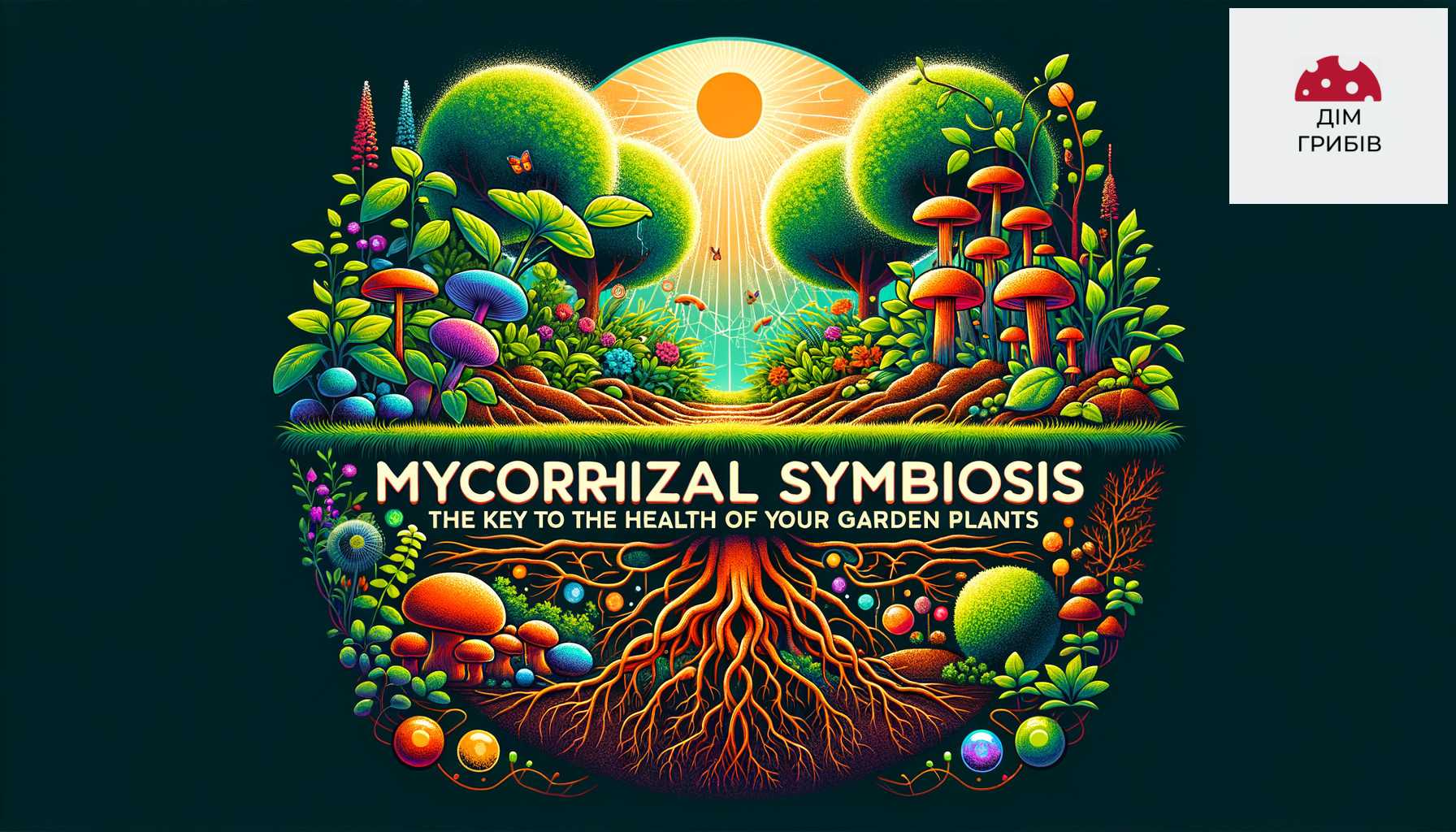
Introduction: What is mycorrhiza?
Mycorrhiza is a symbiotic relationship between plant roots and fungi that has existed for over 400 million years. This mycorrhizal symbiosis is one of the key components of ecosystems that promotes plant health. For many years, scientists have studied this phenomenon to understand exactly how plants and fungi interact, and what benefits this collaboration brings to both parties. Defects in the soil or a lack of rich nutrients can seriously affect plant health, but thanks to mycorrhiza, these shortcomings can be overcome.
Definition of mycorrhiza
Mycorrhizae are fungal structures that form in the root systems of plants. The fungi interact with the plants, forming symbiotic relationships that help the plants improve their nutrient and water absorption. As a result, the plants become healthier and more resistant to various stress conditions. For example, almost all types of flowering plants, such as tomatoes or cucumbers, benefit from the presence of mycorrhizae.
History of research on mycorrhizal symbiosis
Mycorrhiza research began in the early 20th century. For decades, scientists from different parts of the world have worked to understand the mechanisms of interaction between plants and fungi. Modern technologies allow the creation of large databases that combine scientific research over the past 120 years, which opens up new horizons in understanding this symbiosis. Today, we know that mycorrhiza not only improves water absorption, but also increases plant resistance to diseases and pests.
Basics of mycorrhizal symbiosis
Types of mycorrhiza
There are several main types of mycorrhizae, which differ in their structure and the way they interact with their plant partners. The most common are:
- Arbuscular mycorrhiza: Characterized by the formation of arbuscules, fungal structures that penetrate plant cells, it is the most common type of mycorrhiza, interacting with more than 80% species of vascular plants.
- Ectomycorrhiza: In this case, the fungi form mycelial sheaths around the roots of plants, but do not penetrate the cells. This type of mycorrhiza is characteristic of forest ecosystems and grows in symbiosis with several woody plants, such as pine and oak.
- Endomycorrhiza: This type of mycorrhiza manifests itself in the form of the formation of hyphae that penetrate plant cells, exchanging nutrients. It is often found in crops that require integration with trace elements.
Mechanisms of interaction between plants and fungi
The main mechanisms that ensure the interaction between plants and fungi are nutrient exchange and pathogen protection. These mechanisms are new opportunities for increasing energy efficiency in agronomy:
- Nutrient metabolism: Mycorrhizal fungi are able to absorb mineral elements from the soil that plants cannot access on their own. In exchange for these nutrients, the plants provide the fungi with organic compounds containing carbon. This is a joint process that significantly increases the efficiency of fertilizer use.
- Protection against pathogens: Mycorrhiza helps plants fight disease. Fungi form physical barriers around roots and secrete biologically active substances that inhibit the development of diseases such as fungal infections.
The impact of mycorrhizal symbiosis on plant health
Increased absorption of water and nutrients
Plants in symbiosis with mycorrhizal fungi show significant improvements in water and nutrient uptake. This is especially true for essential minerals such as phosphorus, which are critical for plant growth and development. For example, the effect of increasing productivity when using mycorrhizal inoculants has been proven for over 30 crops.
Coping with stress
Mycorrhizae provide plants with increased resistance to various stress conditions, such as drought, soil salinity, and pest attacks. Studies have shown that plants that have a relationship with mycorrhizal fungi show significantly better recovery from stressful situations, which is confirmed by numerous clinical trials.
Mycorrhiza in the context of gardening
How to maintain a healthy mycorrhizal symbiosis in your plantings?
Maintaining mycorrhizal symbiosis in your garden is an important aspect of ensuring high plant productivity. Here are some tips that can help:
- Selection of participating plants: Not all plants are equally effective participants in the symbiosis. Choosing plants that interact well with mycorrhizal fungi can significantly improve the results of your garden. For example, tomatoes, carrots, radishes, and broccoli get along well with mycorrhiza.
- Soil preparation techniques: Soil preparation with organic materials and mycorrhizal supplements can promote healthy mycorrhizal symbiosis. The use of compost and mulch also increases soil biodiversity and creates optimal conditions for fungal growth.
- Promoting natural survival: It is important to maintain an environment where mycorrhizal fungi can thrive. This can be achieved by avoiding chemical herbicides and pesticides, which can negatively affect soil microflora.
Practical tips for gardeners
For gardeners seeking to take advantage of the benefits of mycorrhizal symbiosis, here are some practical tips:
- Using mycorrhizal supplements: Adding mycorrhizal inoculants to your soil can significantly improve the health of your plants. This is especially important for new plantings, as mycorrhizae allow for faster root adaptation.
- Culture compatibility: It is worth paying attention to which plants grow well together. Some combinations can stimulate the development of mycorrhiza, while others can interfere. In particular, the combination of legumes with root crops is beneficial.
- Regular soil monitoring: Conducting soil tests can help you understand which nutrients are deficient and allow you to adjust your fertilizer to maintain a healthy symbiosis.
Prospects for research into mycorrhizal symbiosis
What's new in scientific research?
Recent research in the field of mycorrhizal symbiosis is opening up new horizons for agronomy and agriculture. For example, the creation of a database on mycorrhiza allows for a deeper study of the conditions under which plants and fungi interact most effectively. It also facilitates the selection of inoculants that can improve the quality and safety of products, as studies show that mycorrhiza can reduce the amount of harmful elements in plants.
Potential innovations in agronomy
The development of new technologies, such as mycoponics, allows for the optimization of the use of mycorrhizal inoculants and the improvement of nutrient transport processes. This aims to improve the sustainability of agriculture and reduce the dependence on chemical fertilizers. Several leading agronomic institutions are already actively working on the integration of mycorrhizal technologies into modern agronomic practices >(Source 1, Source 2).
Conclusion: Mycorrhiza as the key to the health of your garden
Mycorrhiza is an important component of plant health and vegetable garden productivity. Understanding and utilizing this mycorrhizal symbiosis can help you achieve higher yields, increase plant resistance to stress, and reduce your environmental impact. If you are interested in improving the health of your vegetable garden, we recommend that you look into available mycorrhizal supplements, such as those offered in store House of MushroomsThe large selection of mushrooms at the Mushroom House store can be a great addition to your arsenal for achieving successful cultivation.
Additional resources
Here are some useful resources to help you learn more about mycorrhiza and its effects on vegetation:
- Mycorrhiza and soil ecology
- Research on mycorrhiza and plant growth