Mushroom Microdosing: Experts on Amanitas and Echinoderms for Mood Enhancement

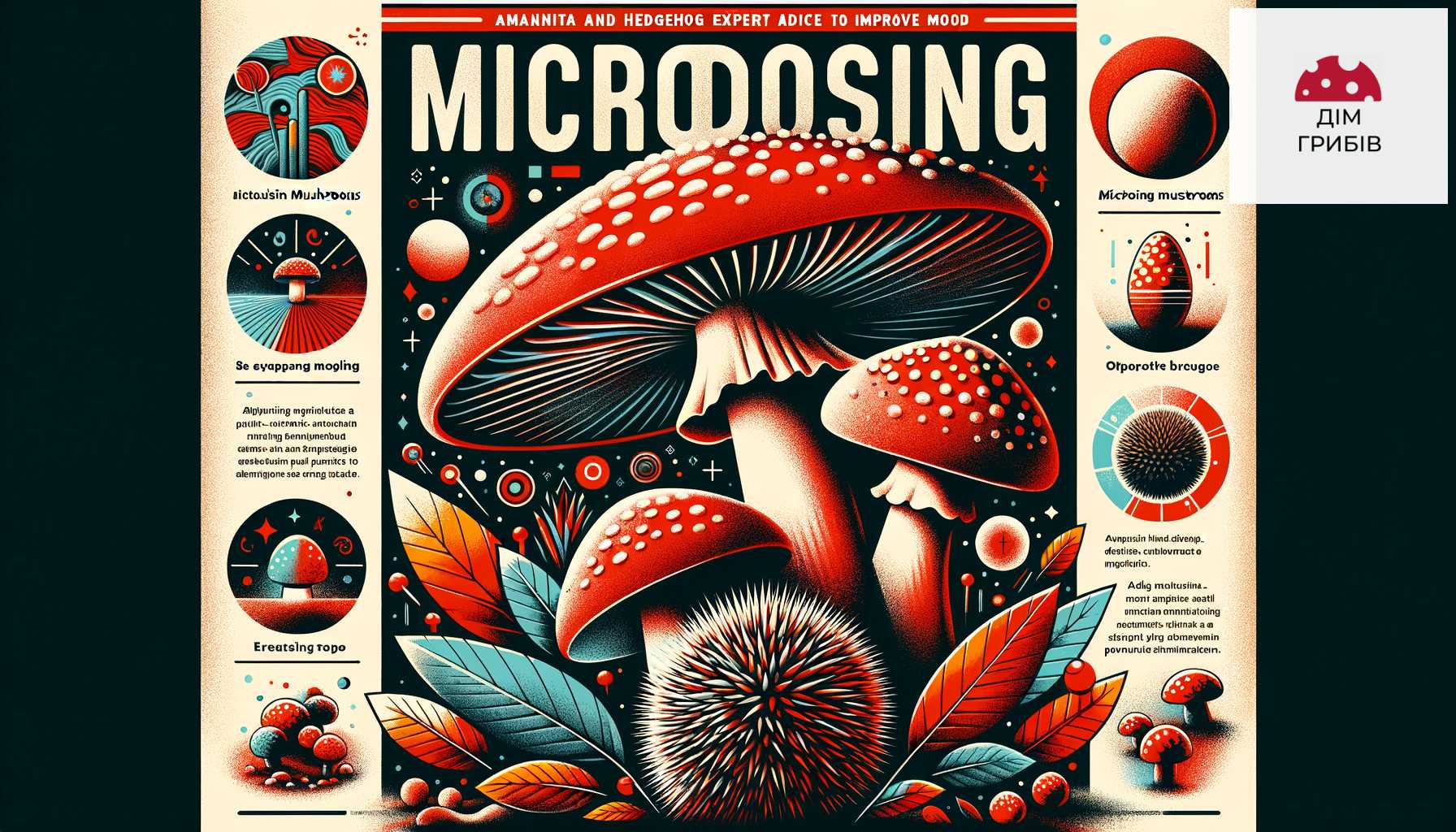
Microdosing Guide: From Amanita to Blackthorn
Mushroom microdosing is a new practice that is being actively discussed in the scientific and medical community. It involves taking small doses of certain mushrooms to improve physical and mental health, increase creativity, and reduce stress levels. In this guide, we will look at how microdosing red fly agaric and porcini mushrooms can make a big difference in people's lives, as well as safe practices for using them. Read on to learn more about the different types of mushrooms, microdosing techniques, and their potential benefits and risks.
Introduction
With the advancement of science and interest in alternative therapies, mushroom microdosing is gaining popularity among a variety of people. In this guide, we will focus on two of the main mushrooms used for microdosing—red fly agaric and porcini mushrooms—and examine their beneficial effects on the body. The goal of this guide is to provide a clear understanding of the safe and effective use of microdosing of these types of mushrooms.
Microdosing Basics
History and culture of mushroom use
Mushrooms have a long history of use in cultures around the world. From shamanic rituals in South America to the use of mushrooms in medicinal practices in Asia, their influence on culture and spirituality is hard to overstate. Many cultures consider mushrooms sacred and use them in rituals that promote a connection between humans and nature.
Modern microdosing is a practice that emerged from the realization that certain mushrooms have the potential to promote mental health. Today, farmers and researchers are working to explore the possibilities of microdosing, which is a groundbreaking approach to ancient knowledge that is finally finding scientific support.
What is mushroom microdosing?
Microdosing mushrooms involves taking very small doses of psychoactive mushrooms that do not usually cause strong psychoactive effects, but contribute to an overall improvement in well-being. The main goal is to achieve a therapeutic effect while maintaining clarity of mind. It is suitable for those who want to improve their lives without the influence of strong narcotic or psychoactive effects.
The basic principles of microdosing include:
- Taking small doses, much smaller than a normal serving, which causes narcotic effects.
- Regular use, usually with certain intervals to “reboot” the body.
- Keeping a journal to monitor the effects will help you understand how your body is responding to microdosing. For example, you can track mood swings or increased creativity.
Types of mushrooms for microdosing
Psychoactive mushrooms
Fly agaric (Amanita muscaria) is one type of mushroom used for microdosing. Its active ingredient, muscimol, interacts with GABA receptors, which can lead to reduced anxiety and improved mood. Microdosing with fly agaric requires caution, as improper dosing can cause unpredictable reactions, such as excessive fatigue or dizziness.
Psilocybe mushrooms are also widely used for microdosing due to their powerful psychoactive properties. They are known for their ability to alter consciousness, improve mood, and expand creative horizons. Among the most popular psilocybin mushrooms, the following species include:
- Psilocybe cubensis
- Psilocybe semilanceata
- Psilocybe cyanescens
Medicinal mushrooms
Horsetail (Hericium erinaceus) is also a popular option for microdosing. This mushroom is known for its ability to stimulate the production of neurotrophic growth factor (NGF), which is associated with improved memory and learning. Research shows that horsetail may even promote neuronal regeneration, making it a promising candidate for improving cognitive function.
It is little known that microdosing medicinal mushrooms, such as ergot, can significantly improve cognitive function. Other popular medicinal mushrooms include:
- Chaga (Inonotus obliquus) — boosts immunity.
- Ganoderma lucidum is known for its ability to reduce stress.
Microdosing techniques
Methods of using mushrooms
There are several methods of using mushrooms for microdosing. The most common ones include:
- Grinding: Mushrooms are ground into a powder and used in capsules or supplements. This is convenient if you want to control precise dosages.
- Tinctures: Mushrooms are infused in alcohol or water to create a concentrated solution. This allows for faster absorption of the active ingredients.
- Hours of use: You can make a tea or incorporate them into your meals. For example, adding powdered mushrooms to cocktails or smoothies is another delicious option.
Each of these methods has its pros and cons, so it's worth experimenting to find the method that works best for you. The choice of method of use may also depend on your lifestyle and personal preferences.
Dosages and usage schedules
Proper dosing is a key aspect of microdosing. It is recommended to start with minimal doses and adjust them depending on personal feelings. Typically, a microdose is 1/10th of the usual dose and can vary from 0.1 to 0.5 g for red fly agaric and 0.2 to 0.5 g for blackthorn.
Developing a schedule for taking the medication will help you avoid potential side effects. It is worth paying attention to the results by keeping a diary in which you can record your feelings and mood changes. Note whether you have experienced side effects, such as excessive fatigue, and when they occurred.
Possible benefits and risks
Psychological and physical benefits
Microdosing mushrooms can bring a number of benefits, including:
- Stress reduction: Microdosing can help reduce anxiety and stress levels in daily life.
- Mood improvement: Many people report positive changes in their emotional state when they microdose.
- Creative activity: Microdosing can stimulate creativity and increase productivity at work and school.
Potential risks and side effects
While microdosing has many benefits, it's worth considering the potential risks. Some people may experience:
- Unhealthy changes in mood or behavior, including anxiety.
- Physical reactions, such as headaches or trouble sleeping.
- The duration of effect can vary, so it is important to consider these factors when using.
It is always important to follow safety guidelines when using. It is recommended to consult a doctor before starting microdosing, especially if you have any chronic conditions.
Conclusions and recommendations
Successful microdosing: what you should know
For successful microdosing, it is important to follow certain recommendations:
- Start with minimum doses and gradually adjust them to avoid negative effects.
- Keep a journal to monitor changes and effects — this will help you determine which doses and methods work best for you.
- Microdose in a comfortable environment to ensure peace of mind—this can make your experience more positive.
Research and the future of microdosing
Current research on microdosing shows encouraging results, and research in this area continues. Scientific articles are already beginning to substantiate the use of microdosing to improve mental health, as well as its potential impact on productivity. The coming years may bring new discoveries that will make microdosing even more accessible and understandable. In Ukraine, in particular, red fly agaric is legal, which creates opportunities for further scientific research.
With all of the above in mind, if you are interested in microdosing, you can find a wide selection of mushrooms in the store. Mushroom House, which offers different forms and types for your experiments. Choose mushrooms according to your needs and carefully explore new possibilities to improve your well-being!