Vitamin D in mushrooms: discover the power of the sun on your plate!

Vitamin D in mushrooms: solar power on your plate
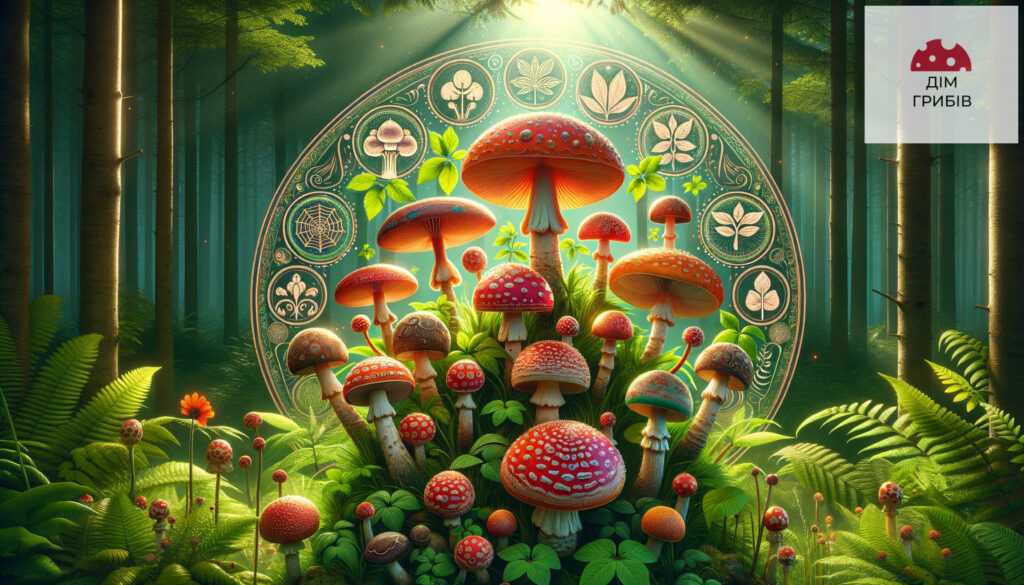
Vitamin D in mushrooms is an important and fascinating topic, as this fat-soluble vitamin not only supports bone health, but also has a significant impact on the functioning of the immune system, as well as on the general well-being of a person. The main source of vitamin D for our body is the synthesis that occurs under the influence of ultraviolet (UV) radiation from the sun. However, during periods when sunlight is not enough, especially in autumn and winter, it is important to maintain sufficient levels of this vitamin through foods containing vitamin D, such as mushrooms. They are one of the few plant sources of this essential vitamin.
What is vitamin D in mushrooms?
Chemical structure of vitamin D
Vitamin D comes in two main forms: vitamin D₂ (ergocalciferol) and vitamin D₃ (cholecalciferol). Both forms have similar properties, but their origins are different. Vitamin D₂ is produced in mushrooms under the influence of UV light, while vitamin D₃ is produced in animal products such as oily fish or egg yolks. Mushrooms contain ergosterol, which, when exposed to ultraviolet radiation, is converted to vitamin D₂, making them unique among plant organisms.
Methods of vitamin D formation in mushrooms
Mushrooms are able to synthesize vitamin D when exposed to ultraviolet radiation. The main processes include:
- Exposure to ultraviolet radiation: When mushrooms are exposed to UV light, ergosterol in the structure of the mushrooms is converted to vitamin D₂.
- Biosynthesis processes: Mushrooms grown in the open sun or under special UV lamps can produce significant amounts of vitamin D, making their consumption an alternative to traditional sources of vitamin D.
Vitamin D in different types of mushrooms
Mushrooms rich in vitamin D
Not all types of mushrooms contain the same amount of vitamin D. Some are richer in this important vitamin, making them ideal to include in your diet. Here are some of the most significant:
| Type of mushrooms | Vitamin D content per 100 g (mcg) |
|---|---|
| Foxes | up to 5 |
| Morels | significant content |
| Shiitake | 0.4 – 0.7 |
| Mushrooms | 0.1 (in limited lighting conditions) |
| Portobello | converted into vitamin D under UV radiation conditions |
Difference in Vitamin D Content Between Fresh and Dried Mushrooms
The vitamin D content of mushrooms can vary significantly between fresh and dried products. Fresh mushrooms may contain less vitamin D, but after drying and subsequent UV irradiation, they can significantly increase their vitamin D stores. Proper processing can significantly improve their nutritional value, in line with the principles of healthy eating.
Vitamin D in mushrooms: benefits and recommendations
Impact on the immune system and overall health
Vitamin D plays a key role in supporting the immune system and reducing the risk of various diseases. Its health effects include:
- Improving the regulation of immune cells, which helps fight infections and viruses.
- Reducing the risk of developing autoimmune diseases such as multiple sclerosis.
- Maintaining bone health and muscle strength, which is important for an active lifestyle.
Recommended servings and ways to include mushrooms in your diet
To maximize the benefits of vitamin D in mushrooms, it is recommended to include them in your diet. For example:
- Mushrooms in the diet for vegetarians: These products can be the main source of vitamin D for vegetarians, especially during the cold season.
- Mushrooms as an addition to traditional dishes: Use mushrooms in soups, salads, pastas, and pizzas to increase the vitamin D content of your food.
Research and scientific facts
Current research on vitamin D in mushrooms
Scientists are actively investigating the potential of mushrooms as a source of vitamin D. New research details that mushrooms may be an effective means of improving vitamin D levels in the population, especially in countries with limited access to sunlight. Many of these studies confirm that mushrooms exposed to UV radiation can contain significant amounts of vitamin D, making them a valuable addition to the diet. For example, study published in the Journal of Nutrition emphasizes the importance of mushrooms as a source of vitamin D.
Comparison with other sources of vitamin D
Mushrooms provide a unique alternative for those who do not consume animal products. Other sources of vitamin D, such as fish, dairy products, and eggs, contain different chemical forms of the vitamin, which can affect their absorption. Mushrooms, especially when properly processed, can compete with traditional sources of vitamin D in the diet.
Conclusions and practical advice
How to choose and store mushrooms for maximum vitamin D levels
When choosing mushrooms for your diet, it's important to pay attention to the variety. To maximize your vitamin D content, choose fresh mushrooms that have been grown in the sun or under UV light. Store them in a cool, dry place, as moisture can cause them to spoil quickly. Choosing mushrooms such as chanterelles or portobellos will increase your chances of getting enough vitamin D.
Integrating mushrooms into your daily diet to improve your health
To incorporate mushrooms into your diet, experiment with a variety of dishes, from mushroom steaks to soups, casseroles, or salads. Mushrooms can also be used in detox drinks, such as: detox tea, which helps improve overall well-being. In the store House of Mushrooms You will find a wide selection of mushrooms, including amanita extract, which also has its own beneficial properties. Be careful with your diet and try to include mushrooms in your daily menu to maintain optimal vitamin D levels.
Vitamin D in mushrooms can be an important part of your healthy diet, especially if you’re looking to support your immune system and overall well-being. Experiment with different types of mushrooms to find your perfect flavor and improve your well-being throughout the year.