Chaga Harvesting Tips: How to Properly Harvest and Dry Chaga for Maximum Effect

Collecting chaga, how to do it correctly and dry it: expert advice
Harvesting chaga is an important aspect for those who want to enjoy its medicinal properties. Chaga (Inonotus obliquus) is a mushroom known for its unique properties and benefits for the body. In this article, we will look at how to properly harvest and dry chaga to preserve its beneficial substances. If you are interested in harvesting chaga, follow our tips to ensure your experience is successful and safe.
Chaga collection
When and where to look for chaga
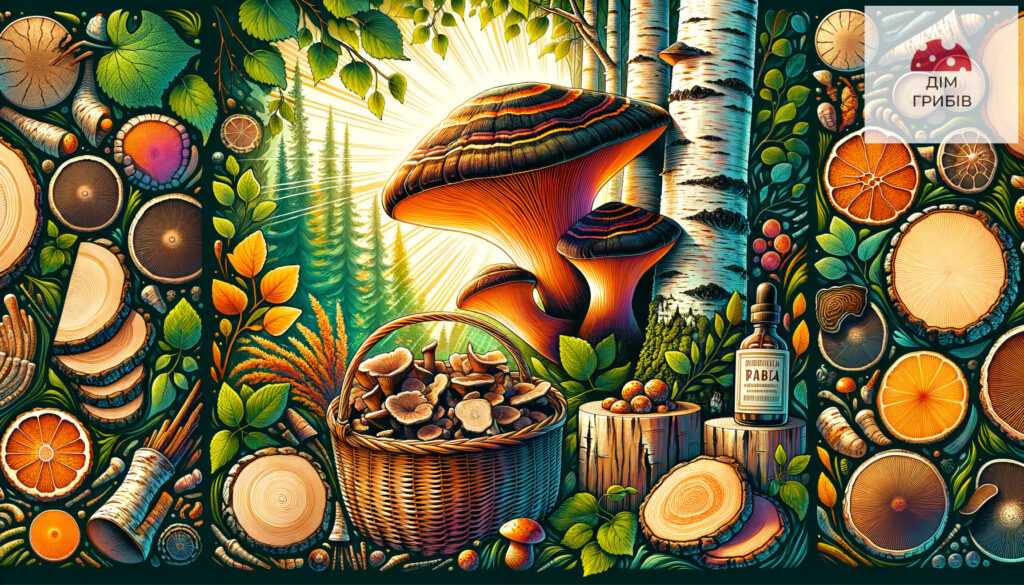
The best time to harvest chaga is from October to March, when the active ingredients in the mushroom are at their peak. Chaga grows on living birch trees, so it’s important to know where to look. The mushroom’s habitat includes the vast forests of Europe, Asia, and North America. Here are some tips for where to harvest it:
- Choose birch trees that are over 30 years old.
- Look for chaga on trees that grow in ecologically clean areas, away from industrial facilities.
- Study the area for chaga during the spring and fall hiking seasons to plan future gatherings.
Systematically check the collection sites, as chaga may not grow on all birch trees. In the process of researching other resources with information about mushrooms You can also find useful tips on chaga harvesting.
How to properly collect chaga
When harvesting chaga, you will need some tools and knowledge. Use a long-bladed knife to cut the mushroom. It is recommended to cut the chaga at a 45-degree angle, leaving about 20% of the mushroom on the tree, allowing it to recover. Follow these tips when harvesting:
- Cut only mature mushrooms.
- Avoid dead trees as they may contain toxins. Agaric mushrooms, like chaga, can absorb harmful substances from the environment.
- Before going out to gather, you need to check the weather - avoid rainy weather, as this can complicate gathering and affect the quality of the mushroom.
- Bring gloves to avoid damaging your skin while collecting.
Chaga quality assessment
Defining fresh chaga
Good quality chaga is dark, almost black in color with brown undertones. It should be firm to the touch and have a smooth surface. Avoid picking chaga that is cracked or damaged, as this may indicate poor quality. The following points will help you assess the quality:
- Fresh chaga also has a distinct aroma, similar to the smell of wood.
- Do not harvest chaga that grows on treated or diseased trees, as this may reduce its effectiveness.
- Inspect the mushrooms for mold or parasites.
Transportation rules
When transporting chaga, it is important to follow certain conditions to avoid spoiling the mushroom. Store it in cloth or paper bags to ensure proper ventilation. Avoid using plastic bags, as they can trap moisture and increase the risk of mold growth. Follow these guidelines:
- Transport chaga in a cool place to prevent heating.
- The final quality check should be carried out at home, before drying.
Drying chaga
Drying methods
Drying chaga is a key step to preserve all its beneficial properties. One of the best ways is to dry it naturally. To do this, cut the chaga into pieces 3–5 cm thick. Keep the mushrooms in a dark, dry and well-ventilated room, or use an electric dryer, setting the temperature to 40–50°C. Several drying methods are presented in the table below:
| Drying method | Description | Advantages |
|---|---|---|
| Seasoning | Dry in a dark, ventilated place. | Retains the maximum amount of nutrients |
| Electric dryer | Drying using electrical devices | Faster process, temperature control |
| Stoves or ovens | Drying using heat | Quick method, but may reduce the amount of nutrients |
Dry the chaga for about 8–12 hours, until it begins to crack. Check the drying process frequently to avoid overdrying.
Storage of dried chaga
After drying, store chaga properly to preserve its properties. It is best to store dried chaga in glass or plastic containers, covered with gauze or cloth, in a dark place. The table below provides basic storage recommendations:
| Storage conditions | Recommendations |
|---|---|
| Temperature | High temperature leads to loss of quality, room temperature is recommended. |
| Humidity | Keep humidity below 12% to prevent mold. |
| Audit | Regularly check mushrooms for mold or other signs of spoilage. |
Uses of chaga
Preparation of infusions and decoctions
Chaga is used in many medicinal infusions and decoctions. To prepare an infusion, simply pour boiling water over chaga pieces and let them steep for several hours. Alternatively, you can boil the chaga for 30–40 minutes to obtain a rich decoction. It is important to remember that before using chaga for medicinal purposes, you should consult a doctor. The following points describe the benefits of using chaga:
- Chaga can positively affect the immune system, improving overall health.
- Chaga benefits include antioxidant properties that help reduce inflammation.
- Consuming chaga can help with metabolic disorders.
Chaga in cosmetology
Chaga is also becoming popular in cosmetology. It is used in home remedies because it has excellent anti-aging properties. It reduces inflammation, improves skin tone and nourishes hair. You can add chaga infusions to masks or use them as a hair rinse to achieve a healthy look. The following recommendations can help in using chaga in cosmetic procedures:
- Regular use of chaga can help moisturize the skin and reduce the appearance of wrinkles.
- It is suitable for all skin types, making it a universal ingredient in cosmetics.
- Don't forget to perform allergy testing on chaga before using it for the first time in cosmetic procedures.
Additional resources
For those who want to deepen their knowledge about chaga, we recommend using the literature by checking specialized articles and forums. Interest in chaga is growing, and you can find a lot of useful advice from people who have experience in its collection and use. For example, on the website agronomist you will find articles covering the entire subject of chaga and its uses. For more detailed information on medicinal mushrooms, visit Mythical Mushrooms here.
References
In this article, we relied on information from the following sources:
- AgroGazda – Guide to collecting and drying chaga.
- Research on the medicinal properties of chaga and its uses, available on the platform NCBI.
Author's notes
My name is [Your Name] and I have been collecting chaga for several years. My goal is to promote natural remedies and raise awareness about medicinal mushrooms. I recommend that anyone interested in natural medicine try collecting and using chaga, following the advice provided. Also, if you are interested in other mushrooms, you can contact the store Mushroom House Store, where you will find a wide selection of mushrooms, including chaga.