Chaga harvesting and drying: expert tips for the correct process

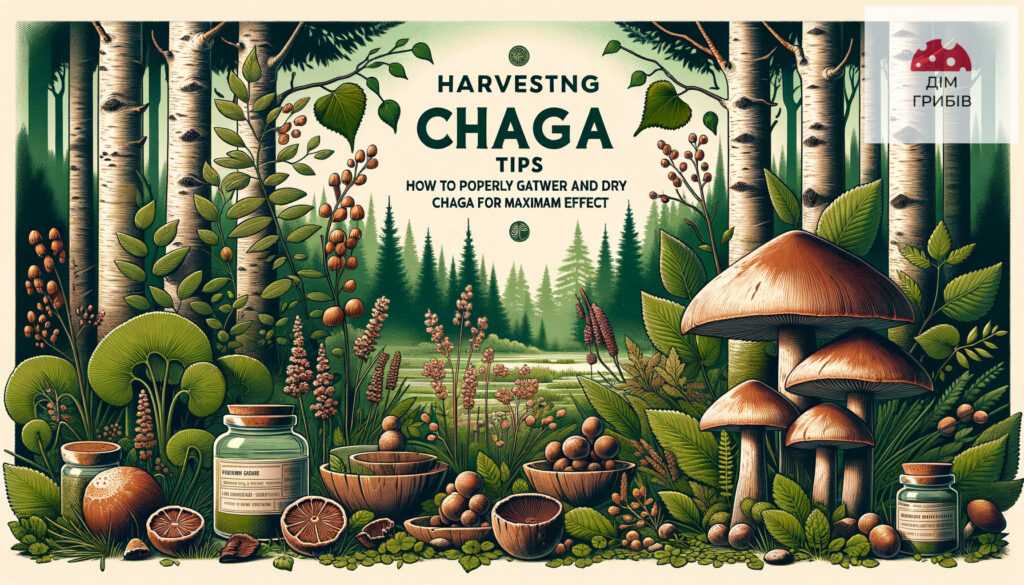
How to properly prepare chaga mushroom, collecting and drying the mushroom
When harvesting chaga mushrooms, harvesting and drying are important steps for those who want to maximize their beneficial properties. In this article, we will take a detailed look at all aspects of the harvesting, drying, and storage process so that you can effectively utilize this natural gift.
What is chaga?
Definition and origin
Chaga is a fungus that grows on birch trunks. It is most commonly found in temperate climates such as Siberia, Scandinavia, and Eastern Europe. This fungus forms characteristic growths and looks like dense black bars. In folk medicine, chaga is popular for its powerful healing properties, such as supporting immunity and improving the overall condition of the body.
Useful properties of chaga
Chaga is a source of numerous biologically active compounds, including:
- Beta-glucans: boost immunity.
- Antioxidants: fight free radicals.
- Phytoncides: have antibacterial properties.
In addition, chaga also helps:
- Reduce inflammatory processes
- Improve metabolism
- Regulate blood sugar levels
Time and places of chaga collection
The best time to harvest chaga
The optimal time for collecting chaga is from October to March. During this period, the concentration of active substances in the mushroom is maximum, because chaga actively accumulates useful elements in autumn and winter. It is important to pay attention to the maturity of the mushroom; young and immature growths do not always have a sufficient amount of medicinal components.
The most suitable locations
Chaga usually grows on living birch trees that are over 30 years old. You should avoid collecting the mushroom from dead trees as this can be dangerous due to the risk of toxicity. The ideal places to collect are forest areas with good humidity and a temperate climate, as these conditions significantly affect the quality of the mushrooms.
Chaga harvesting technique
Tools you will need
The following tools are required to collect chaga:
- Knife with a long blade — for neatly cutting off growths.
- Bag or basket — for transferring the obtained material.
- Gloves — to ensure hygiene during work.
In addition to the tools listed, remember to follow safety precautions to avoid injury during assembly.
Correct collection technique
Cut the chaga growths at a 45 degree angle, leaving about 20% of the mushroom on the tree for later recovery. This is important so that the chaga can continue to grow. Choose only mature mushrooms with a dense texture and rich color, as the quality of the material will affect the final result.
Drying chaga
Preparing chaga for drying
After harvesting, cut the chaga into 3–5 cm thick pieces for even drying. Be sure to clean the mushroom of scales and other impurities before starting the drying process.
Drying techniques
There are several effective ways to dry chaga:
- Seasoning: spread the mushroom pieces in a well-ventilated area at room temperature, avoiding direct sunlight.
- Electric dryers: the optimal temperature for drying is 40–50°C for 8–12 hours. This allows you to preserve the maximum amount of useful components.
The readiness of the chaga can be checked by its brittleness: a high-quality dried mushroom should break easily with a crack, indicating an optimal moisture level.
Using and storing chaga
Recipes and methods of use
Chaga can be used in various forms. The most popular is to make an infusion: crushed chaga can be poured with boiling water and left to infuse for 3-4 hours. This allows you to get a concentrated and nutrient-rich drink. You can also make Chaga tincture, which is a ready-made product for comfortable use.
How to properly store chaga
To preserve its beneficial properties, store chaga in dry, glass jars or cloth bags in a dark place. With properly organized storage conditions, the mushroom can remain usable for up to two years, retaining all its medicinal properties.
Conclusion
By following these tips, you will be able to effectively harvest and store chaga, realizing its maximum potential for medicinal purposes. Remember the importance of safely harvesting and using the mushrooms you plan to consume. Responsible harvesting practices of natural resources not only allow you to maintain your health, but also protect our ecosystems.
Additional resources
More information about chaga and its uses can be found at Agro-farmerIf you are interested in a large selection of mushrooms and other natural products, visit the “House of Mushrooms” store or follow the link a large selection of mushrooms in the Mushroom House store.