Matsutake Mushroom: Your Natural Adaptogen for Powerful Energy Support!

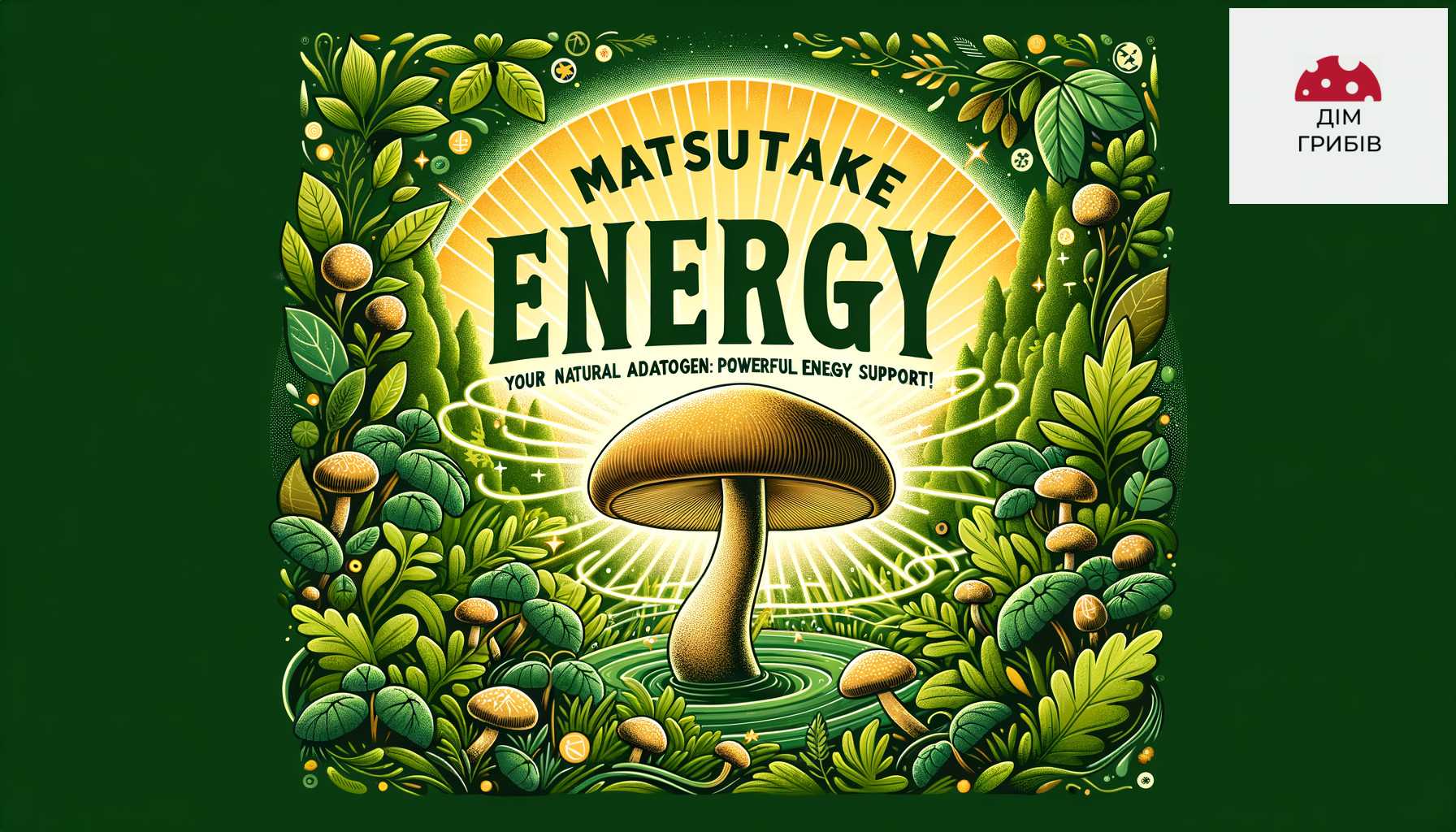
Matsutake mushroom and its energy support
Matsutake mushroom (Tricholoma matsutake) is a rare mushroom known not only for its aromatic pulp but also for its immense cultural value, especially in Japan. However, the topic of matsutake’s adaptogenic properties and its ability to support energy remains relevant. Like other plant adaptogens, matsutake has the potential to increase energy, but scientific evidence for its effectiveness is still lacking. This article will review the benefits, mechanisms of action, possible risks, and ways to use matsutake to improve energy status.
Introduction
What are adaptogens?
Adaptogens are natural substances that help the body adapt to stress, increasing its resistance to physical and emotional stress. They stimulate the restoration of energy resources, help strengthen the immune system and improve overall well-being. Well-known adaptogens include:
- Ashwagandha (Withania somnifera) is known for its ability to reduce stress and anxiety.
- Ginseng (Panax ginseng) — used to increase physical endurance.
- Rhodiola rosea — helps improve mental activity and reduces feelings of fatigue.
Due to their properties, adaptogens are finding more and more supporters among people who seek to maintain their energy at a high level in conditions of everyday stress and strain.
The importance of plants in maintaining energy
Plants with adaptogenic properties can affect the body's energy metabolism, improve physical endurance, and aid in recovery from stressful situations. The choice of adaptogens depends on the individual needs of each person, as different plants affect the body differently.
Matsutake: Overview and History
Origin and distribution of matsutake
Matsutake mushrooms are native to temperate regions of Japan, Korea, China, and parts of North America. They are considered a delicacy and have great cultural significance in Japanese cuisine, are used during the autumn festivals, and are considered a symbol of wealth and good fortune. Each year, Japan holds a series of matsutake harvests related to these traditions, demonstrating their importance in the culture of the people.
Chemical composition and active components of matsutake
Matsutake mushroom contains a number of active components that give it its characteristic aroma and taste, as well as many beneficial elements for health:
- Beta-glucans — important for supporting the immune system, can reduce the risk of inflammatory processes.
- Antioxidants — help protect cells from oxidative stress, preventing premature aging.
- Polysaccharides — can support normal functioning of the gastrointestinal tract.
These components are undoubtedly capable of positively influencing overall health, but the specific role of matsutake as an adaptogen requires further scientific research.
Matsutake Energy: How an Adaptogen Boosts Energy
Mechanisms of action of adaptogens
Adaptogens, including matsutake, regulate the body's response to stress by affecting various physiological processes. First, they reduce stress levels by normalizing hormonal balance, including the regulation of cortisol, which is often associated with stress and fatigue. Second, they can stimulate energy processes, improving metabolism and replenishing the body's reserves.
Research and scientific findings
Although there is a number of studies on adaptogens, specific scientific evidence for the energetic properties of matsutake has not yet received sufficient attention. Studies provide more information about the gastronomic qualities of matsutake than about its adaptogenic properties. For example, mushrooms such as maitake (Grifola frondosa) have better studied adaptogenic properties, using numerous clinical trials.
Ways to Use Matsutake to Boost Energy
Cooking recipes with matsutake
Matsutake mushrooms add a unique flavor and aroma to many dishes that can improve your mood. Here are some culinary ideas for using matsutake mushrooms:
- Traditional Japanese soups: Matsutake is often used in naki, a traditional Japanese soup.
- Salads with mushrooms: Add fried matsutake to fresh vegetable salads to add richness to the dish.
- Stews: Matsutake goes well with fish or meat, a possible option is stewed vegetables with matsutake.
Additional forms of taking matsutake
Many people choose to take additional forms of matsutake. These may include:
- Matsutake extract capsules: A unique shape that is convenient for daily use and helps maintain regularity.
- Tea or infusions: Using dried mushrooms to make tea can be a great way to saturate the body with beneficial components.
These forms of consumption can simplify your daily diet while providing the necessary energy from matsutake.
Benefits and potential risks of consuming matsutake
Health benefits
Matsutake, like many other mushrooms, contains important vitamins and minerals that can have a positive impact on your health. The main benefits of eating this mushroom include:
- Improving overall well-being.
- Supports the immune system, thanks to its high antioxidant content.
- Protecting cells from oxidative stress, which can help slow down the aging process.
Possible side effects
Despite its many benefits, matsutake may cause allergic reactions or interact with medications. The mushroom is not recommended for use by individuals with allergies to mushrooms or those taking certain anticoagulants. It is recommended to consult a doctor before use, especially if you are taking medications.
Conclusions and recommendations
Usage volumes and optimal inclusion methods
In general, for the greatest effect, it is recommended to use matsutake in medicinal forms or in the diet as part of a healthy diet. Rationing of consumption plays an important role, since each person has individual needs. You can focus on a comprehensive approach
Future research and trends
Given the growing interest in adaptogens and their energy-boosting properties, research on matsutake may become an attractive direction for new scientific work. The biggest questions that remain open concern the mechanisms of influence of this mushroom on biochemical processes in the body and the possibilities of its use in various areas of medicine and nutrition.
Final remarks
Matsutake mushroom can be an interesting addition to the diet for people looking to boost their energy and improve their overall health. While there is limited scientific evidence supporting its adaptogenic role, it is worth considering other alternatives, such as ashwagandha or rhodiola rosea. If you decide to try matsutake, check out Mushroom House store, which features a wide selection of mushrooms, including adaptogens! You may also be interested in products such as microdosing of fly agaric or Tincture of the multi-colored tinder in capsules.